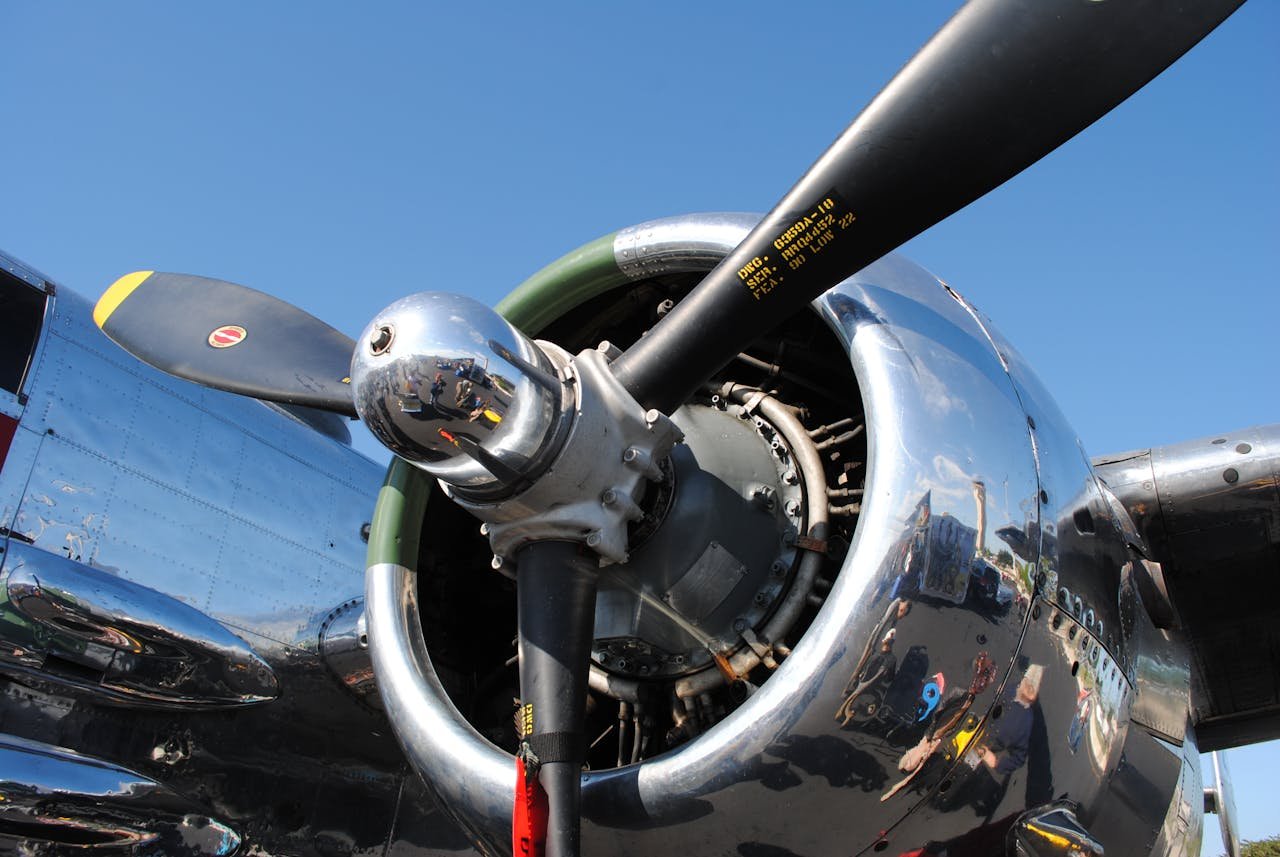
Global Sourcing of Certified Aircraft Parts
Sourcing certified aircraft parts globally is essential for aviation companies aiming to maintain high standards of safety and compliance. The aviation industry is highly regulated, and utilizing certified components ensures not only adherence to legal frameworks but also enhances operational reliability. Within this global network, Original Equipment Manufacturer (OEM) parts and Parts Manufacturer Approval (PMA) parts play crucial roles.
OEM parts are produced by the original manufacturers according to strict specifications set by aircraft manufacturers. These parts come with a guarantee of quality and compatibility, making them indispensable for routine maintenance and repairs. However, sourcing these parts can be costly and sometimes challenging due to fluctuating global supply chains.
On the other hand, PMA parts offer a viable alternative to OEM components. These parts are designed and manufactured by certified organizations, which obtain approval from regulatory bodies. PMA parts can significantly reduce costs while still meeting safety and performance standards. Sourcing from reputable suppliers ensures that the PMA parts are also reliable and will perform effectively in operations.
Leverage authorized distributors who specialize in certified aircraft parts is another important aspect of global sourcing. These distributors work closely with both OEMs and PMA manufacturers, enabling them to provide a comprehensive range of certified components. Establishing relationships with trusted distributors ensures that aviation companies receive high-quality parts in a timely manner, thus minimizing downtime.
The benefits of employing a diverse global sourcing network for certified aircraft parts are manifold. Companies can enhance their supply chain resilience, guarantee quality and compliance, and improve cost-effectiveness through strategic sourcing decisions. By focusing on certified components, businesses in the aviation industry can ensure their operations remain smooth and minimize risks associated with component failure.
Strategic Inventory Solutions for Aircraft Parts
In the realm of aircraft parts supply, strategic inventory solutions play a crucial role in enhancing operational efficiency for businesses. One prominent approach is the consignment inventory model. This approach allows companies to stock inventory, with costs being incurred only when parts are used. This system not only reduces the financial burden of upfront purchasing, but also helps optimize storage space by keeping parts on-site without hefty initial investments. By leveraging consignment inventory, businesses can ensure that critical aircraft parts are readily accessible while maintaining cash flow.
Another key strategy is the utilization of global warehousing options. Maintaining a network of strategically located warehouses allows businesses to respond swiftly to demand fluctuations across different regions. This is particularly vital in the aircraft parts sector, where lead times can significantly disrupt operations if not managed effectively. Global warehousing enables companies to minimize delays, ensuring that parts are available when and where they are needed, which ultimately contributes to overall operational productivity.
Furthermore, demand forecasting is integral in optimizing stock levels of aircraft parts. Accurate forecasting involves analyzing historical data, seasonal trends, and market conditions to predict future demand with precision. By employing advanced analytics and demand planning tools, companies can adjust their inventory strategies in real-time. This proactive approach not only minimizes excess stock, which consumes resources and storage space, but also mitigates the risk of stockouts that could lead to operational downtimes. Together, these strategic inventory solutions—consignment inventory models, global warehousing, and effective demand forecasting—create a cohesive framework that helps businesses minimize costs while ensuring the critical parts needed for aircraft operations are always available.
Ensuring Supply Chain Visibility and Traceability
In the aviation sector, the significance of supply chain visibility and traceability cannot be overstated. These elements are crucial for ensuring the safety, reliability, and compliance of aircraft parts. Industry stakeholders are increasingly recognizing the need for robust systems that allow for the complete tracking of components from their source to their final destination. Effective visibility enables real-time monitoring, which is essential for managing logistics and addressing potential issues promptly.
One of the primary strategies to achieve end-to-end visibility is the implementation of advanced technologies such as the Internet of Things (IoT) and blockchain. IoT devices can provide live data on the location and condition of aircraft parts, allowing stakeholders to make informed decisions quickly. Meanwhile, blockchain technology can enhance traceability by creating an immutable record of each part’s journey throughout the supply chain. This transparency helps in validating the authenticity and compliance of certified aircraft parts with regulatory standards.
Additionally, adopting a centralized supply chain management system can streamline processes and ensure that all parties have access to up-to-date information. Such systems facilitate communication between suppliers, manufacturers, and maintenance personnel, thus reducing the chances of errors or miscommunication. Regular audits and compliance checks also contribute significantly to maintaining a robust supply chain, ensuring that all aspects meet the required industry standards.
Moreover, training staff to understand the importance of supply chain visibility and traceability is vital. Empowering employees with the knowledge of how to leverage technology and adhere to best practices strengthens the overall system. By fostering a culture of accountability and transparency, organizations can better ensure the integrity of their supply chains and, ultimately, the safety of the aircraft they maintain and operate.
Emergency Support and Compliance Navigation
In the aviation industry, the prompt sourcing of certified aircraft parts is critical, especially during emergency situations such as Aircraft on Ground (AOG) incidents. Organizations must have robust contingency plans to address such emergencies effectively. A service that provides 24/7 AOG emergency support is therefore essential, ensuring that aircraft can be serviced and returned to operation swiftly. This capability minimizes downtime and helps maintain operational efficiency.
To facilitate rapid responses in AOG scenarios, expedited logistics play a vital role. This involves ensuring that aircraft parts are dispatched quickly and transported efficiently, no matter the geographical location of the aircraft. Logistics providers must be well-versed in handling the specific requirements of aircraft parts shipping, which often involves limitations on shipping modes and compliance with aviation regulations.
Certainly, navigating regulatory compliance is a significant challenge within the aviation sector. Agencies such as the Civil Aviation Administration of China (CAAC), the Federal Aviation Administration (FAA) in the United States, and the European Union Aviation Safety Agency (EASA) enforce strict regulations governing the sourcing and distribution of certified aircraft parts. Organizations must remain adept in paperwork and regulatory guidelines to avoid penalties and ensure their operations align with applicable laws.
Risk management strategies are paramount in mitigating potential supply chain disruptions caused by compliance issues or logistical delays. The implementation of comprehensive risk assessments allows companies to identify vulnerabilities and reinforce their supply chain processes. By integrating effective risk management practices, firms can enhance their resilience against unforeseen circumstances and maintain compliance, which ultimately supports the ongoing availability of certified parts necessary for aircraft operations.